

Street Economics
The informal economy — drugs, gambling, pawnshops, hawala, cash labor — runs in parallel to the economy economists actually measure. It is unregulated, dishonestly ignored, and often more honest about real economic conditions than the official statistics. This series makes the case that the vice economy is a leading indicator, explains why the Cantillon effect makes the street see the crisis first, and follows the price signals that Wall Street's models are missing.
5 articles in this series
 News
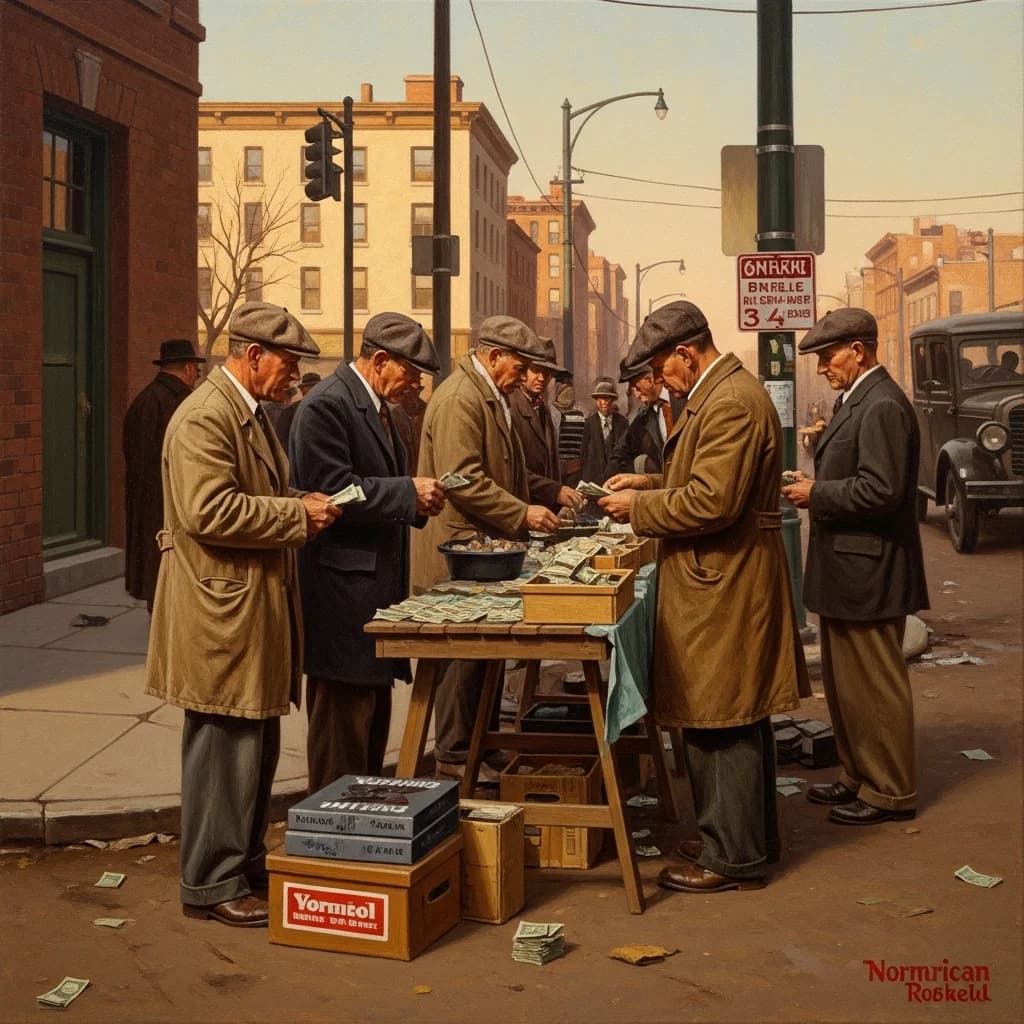
NewsWhat the Corner Knows That Wall Street Doesn't: The Vice Economy as Economic Signal
The formal economy reports to itself on a quarterly delay. The informal economy prices itself every day, for no one in particular, in the language of real supply and real demand. Sometimes that language is worth translating. The corner has always known things that don't show up in the quarterly report.
 News
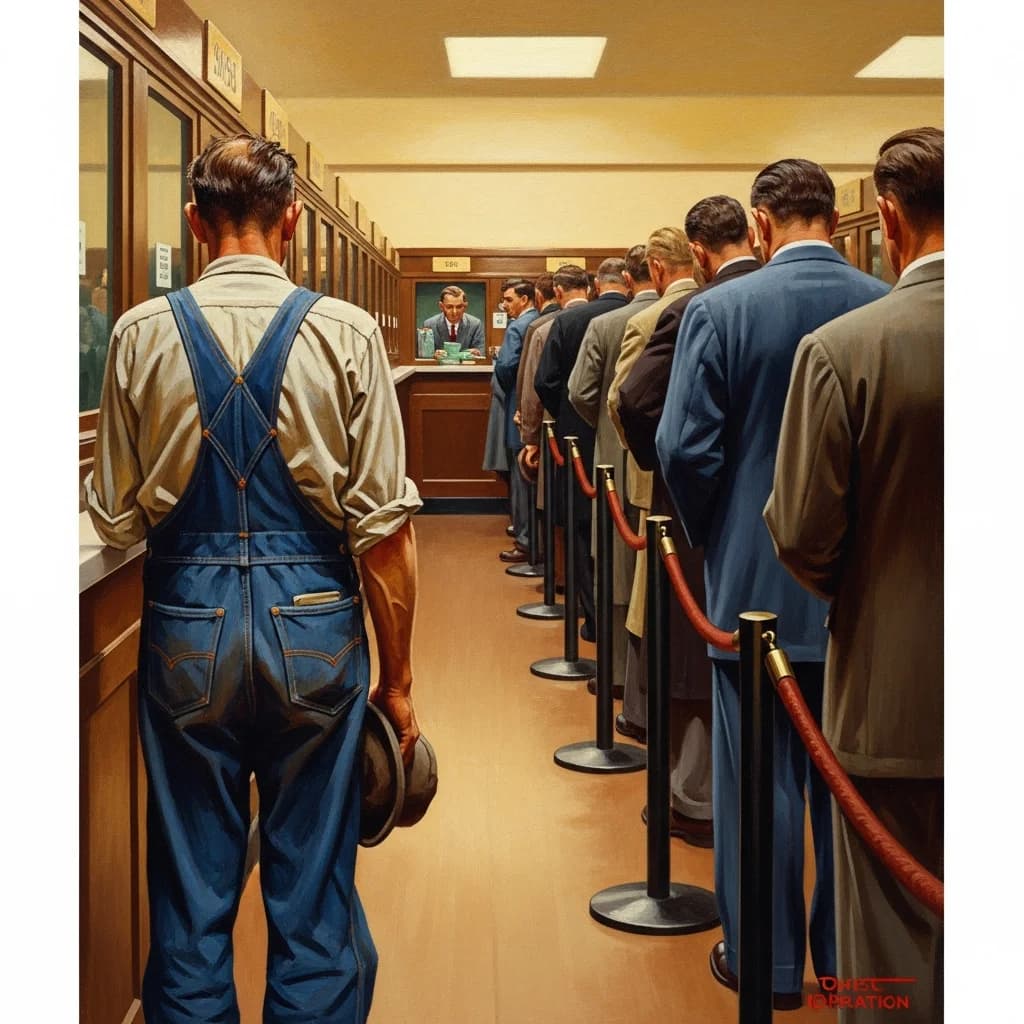
NewsThe Last to Eat: How Printed Money Reaches the Street Last — and Why That Makes It a Better Sensor
Richard Cantillon observed in 1730 that new money benefits those who receive it first and burdens those who receive it last. Three centuries later, the mechanism runs through the Federal Reserve's primary dealer network before it reaches the street. The informal economy gets the inflation without the income, and it shows the strain before the headline data does.
 News
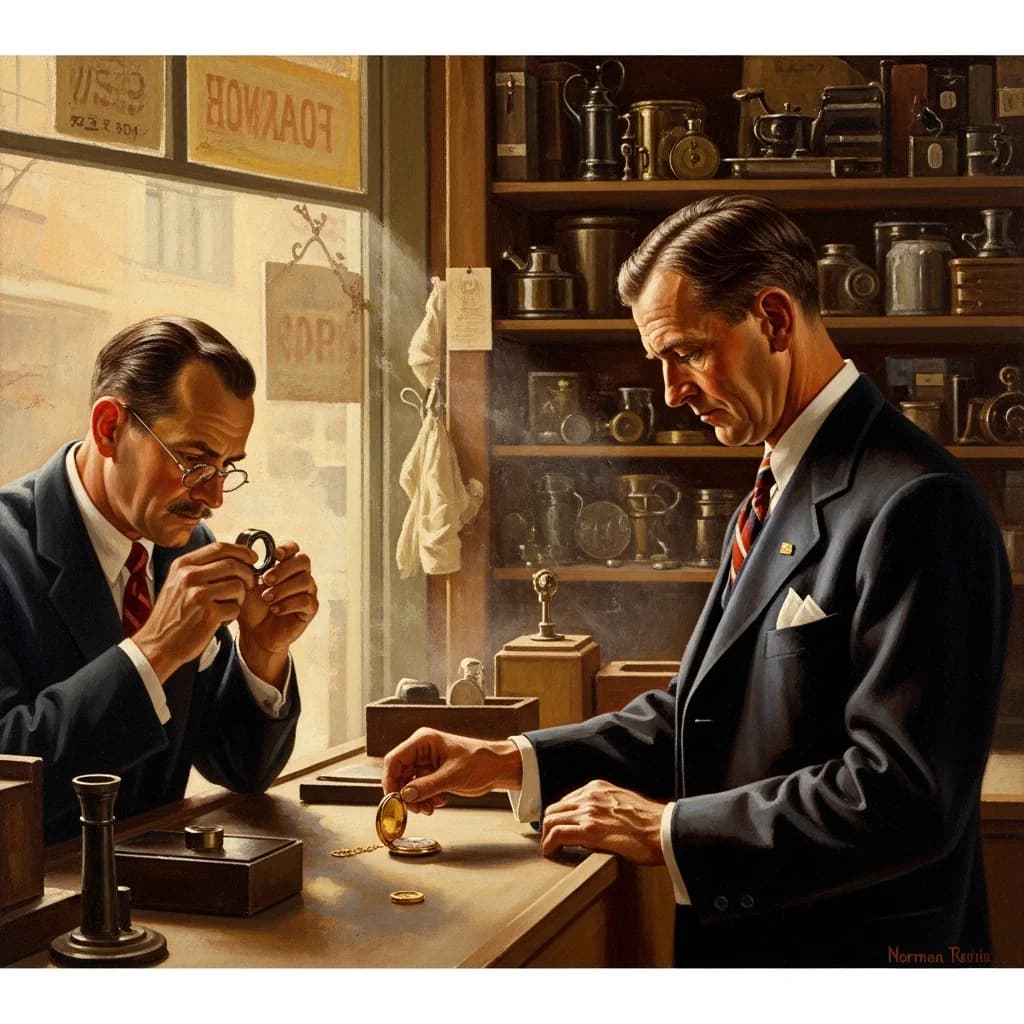
NewsSin Stocks, Pawn Shops, and Powerball: The Recession Portfolio Nobody Admits to Running
In the spring of 2009, at the depth of the worst economic crisis in eighty years, a handful of companies were holding value with a stubbornness that looked, to the attentive observer, like a pattern. Tobacco companies. Beer producers. Pawnshop chains. Discount retailers. The recession portfolio. Nobody admits to running it on purpose, but the returns are documented.
 News
NewsWhat the DEA Knows About Inflation That the BLS Hasn't Figured Out
The Drug Enforcement Administration has been purchasing small quantities of cocaine, heroin, and methamphetamine in undercover operations for nearly fifty years, recording the price and sending samples to forensic labs for purity analysis. The resulting dataset is a multi-decade record of how unregulated markets find prices under varying economic conditions. Nobody hired it as an economic indicator. But that's what it is.
 News
NewsThe $2.3 Trillion the Fed Isn't Counting: Why Your Macro Model Has an Incomplete Map
Every major macroeconomic model has a quiet assumption buried in its foundations: that the economy it is modeling is the economy that gets measured. The IRS estimates the annual tax gap at $600 billion. Researchers put the total informal economy at $2.3 trillion. That is an economy larger than the UK's entire GDP, invisible to the instruments the Federal Reserve uses to steer monetary policy.
More Series
Ready to find funding?
FundScout matches borrowers with vetted commercial lenders — one application, no spam.